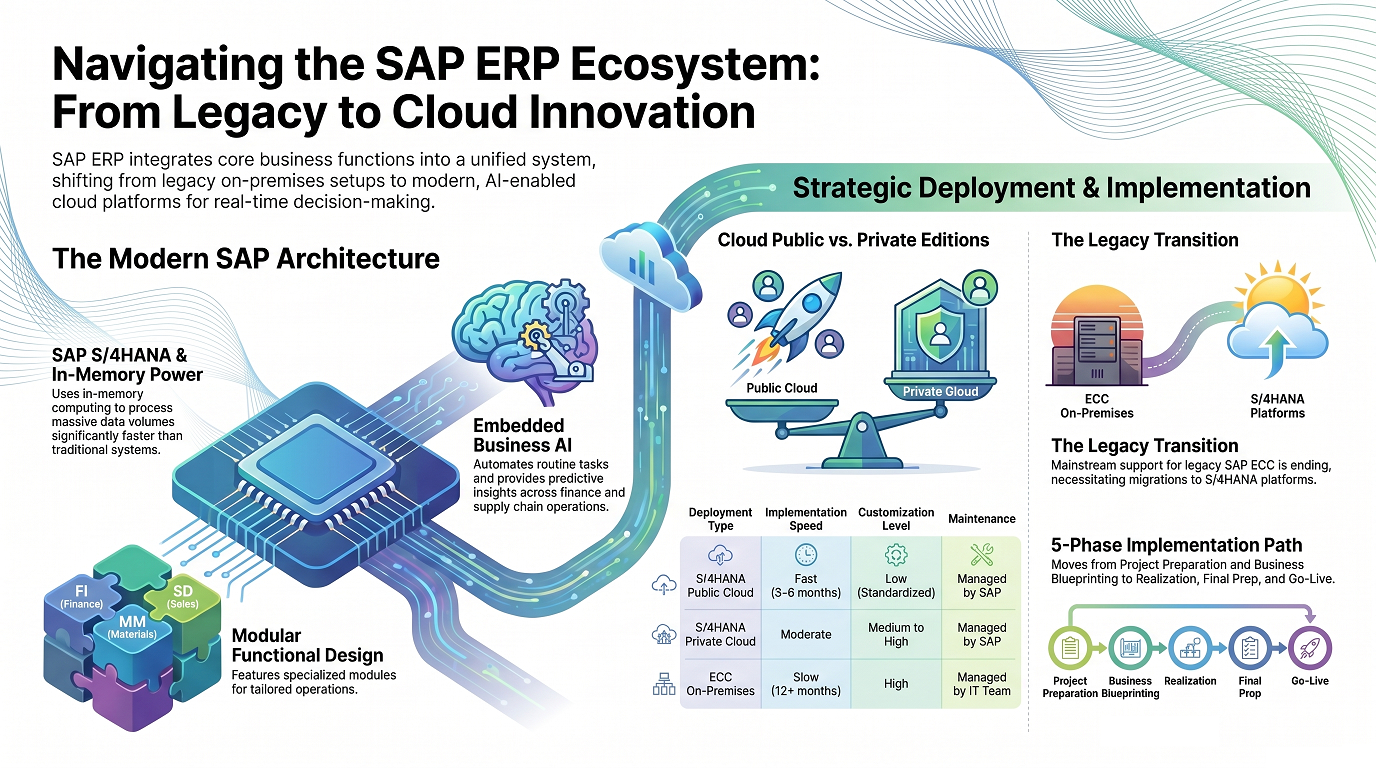
The Silent Cost of Enterprise Chaos
Most enterprise problems do not begin with dramatic system failures. They start quietly.
A finance team works from one dataset. HR maintains another. Supply chain managers rely on outdated spreadsheets sent through endless email threads. Leadership meetings become exercises in reconciliation rather than decision-making.
These disconnected systems — often called data silos — have become one of the biggest obstacles to enterprise agility.
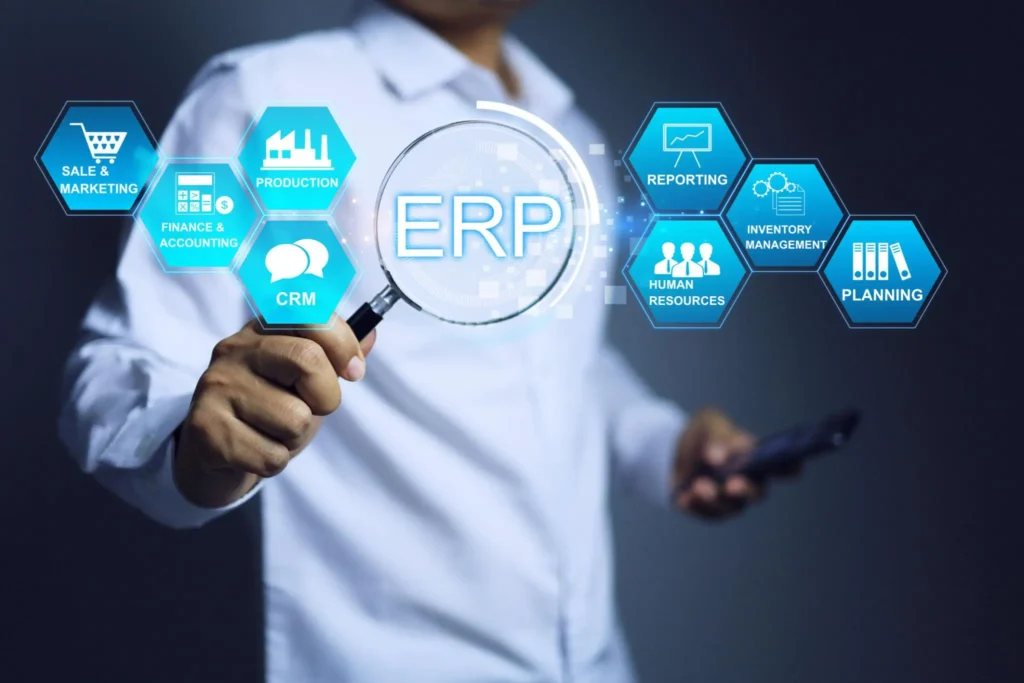
For decades, SAP positioned itself as the answer to this fragmentation. Its ERP ecosystem promised something revolutionary: a unified digital backbone where finance, procurement, HR, manufacturing, and logistics could finally operate from a single source of truth.
But the SAP story in 2026 is no longer just about ERP.
It is about survival in an AI-driven economy.
From Five IBM Engineers to the Blueprint of Modern Enterprise
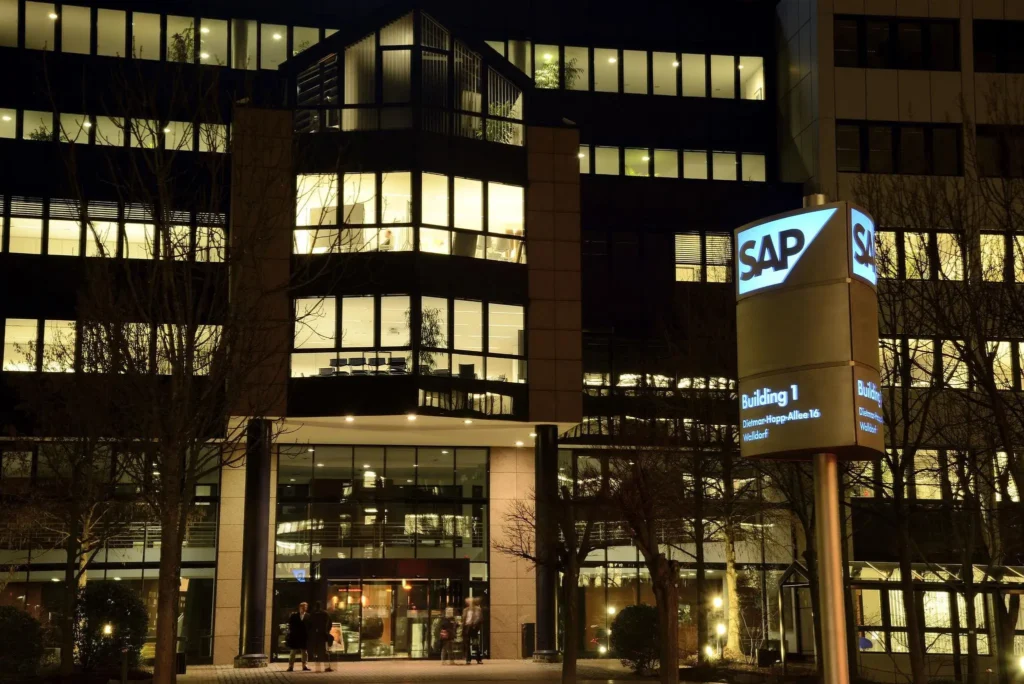
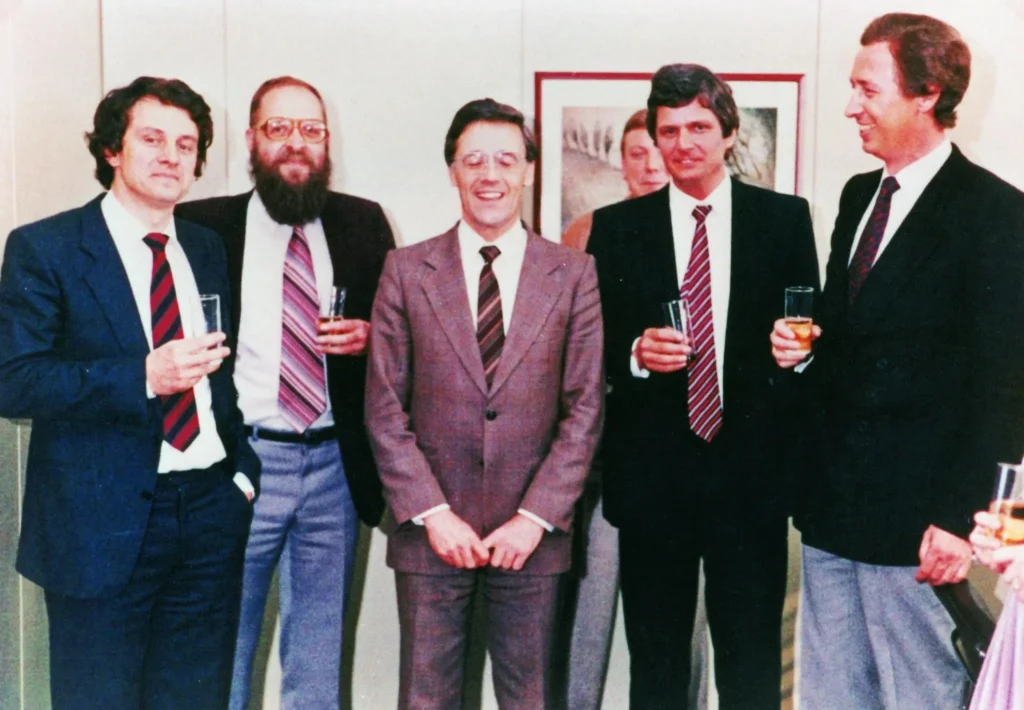
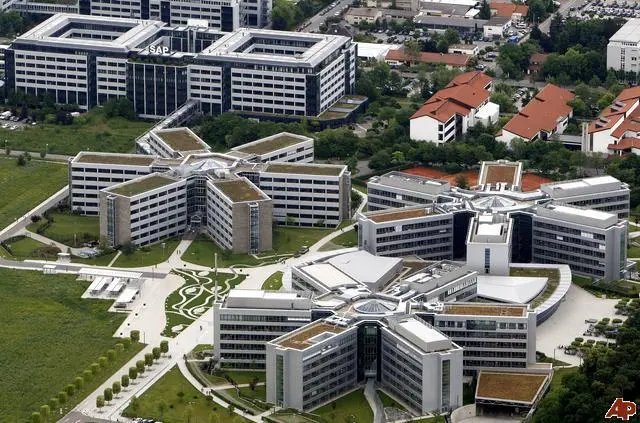
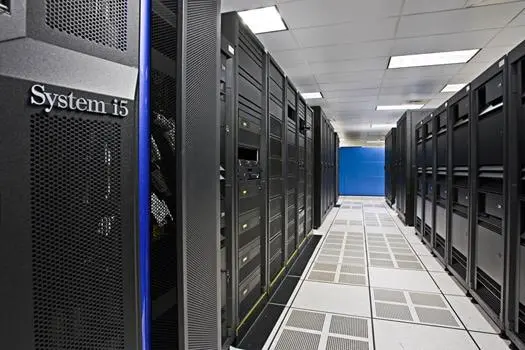
Back in 1972, five former engineers from IBM left the security of the mainframe giant to pursue a radical idea.
At the time, businesses typically used isolated software systems for accounting, inventory, payroll, and operations. These systems rarely communicated with one another. Every department effectively lived inside its own technological island.
The founders of SAP believed enterprise software should work differently.
Instead of separate applications, they envisioned a fully integrated business platform capable of connecting every operational process into one cohesive environment.
That vision eventually evolved into:
- SAP R/2
- SAP R/3
- SAP ECC
- SAP S/4HANA
Today, more than five decades later, the architectural philosophy created by those original engineers still powers many of the world’s largest corporations.
From Procure-to-Pay (P2P) workflows to Order-to-Cash (O2C) operations, SAP became the operating system of global enterprise.
Why SAP ERP Became So Dominant
The rise of SAP was not accidental.
Large enterprises faced a growing problem during globalization:
- Multiple subsidiaries
- Complex supply chains
- Different currencies
- Regulatory compliance
- Massive transaction volumes
Traditional software could not scale efficiently.
SAP’s integrated ERP model solved this by centralizing:
- Financial data
- Procurement
- Human resources
- Manufacturing
- Inventory
- Reporting
For executives, this created something incredibly valuable:
Real-time operational visibility across the entire enterprise.
Instead of waiting weeks for reports, leadership teams could monitor performance from a centralized system.
That capability fundamentally changed enterprise management.
The $500 Million ERP Gamble

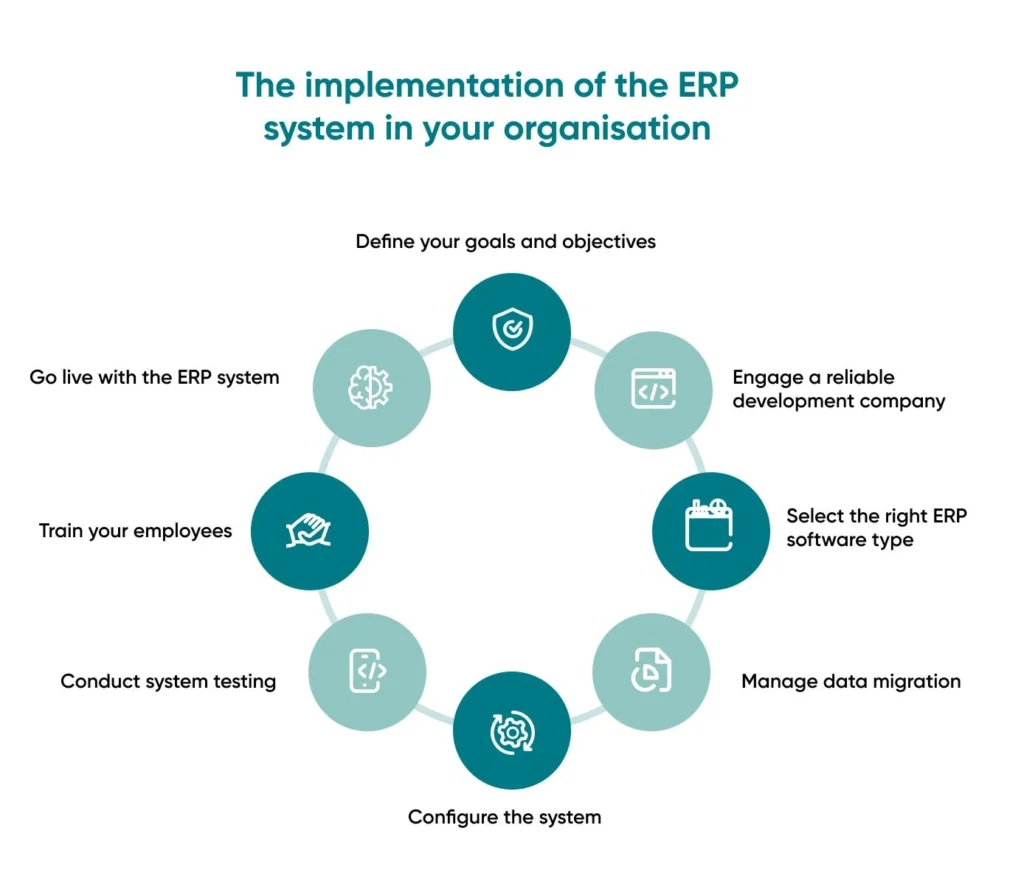



Despite its advantages, SAP ERP has always carried enormous complexity.
Implementing SAP is rarely just a software deployment.
It is usually a complete organizational transformation.
For Fortune 500 companies, full-scale implementations can cost anywhere between:
- $50 million
- $100 million
- Even $500 million or more
Mid-sized enterprises often spend:
- $10 million to $20 million
And surprisingly, software licenses are not always the biggest expense.
The true cost often comes from:
- Custom development
- Business process redesign
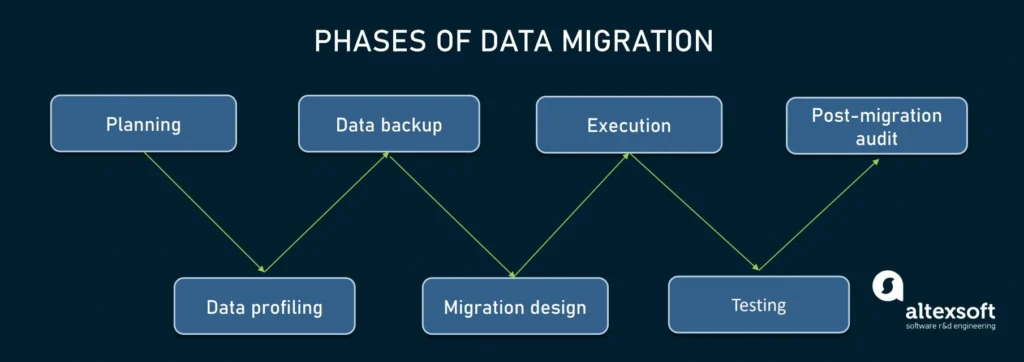
- Data migration
- Integration projects
- Consultant fees
- Employee retraining
This is where many ERP projects begin to fail.
The Hidden Danger of Over-Customization
Earlier generations of SAP implementations encouraged extensive customization.
Companies modified workflows, created bespoke code, and built highly specialized systems tailored to unique internal processes.
Initially, this seemed beneficial.
But over time, these heavily customized environments became extremely difficult to maintain.
Every upgrade became painful.
Every migration became expensive.
Every innovation became slower.
This accumulated complexity is now widely known as technical debt.
And for many enterprises, the technical debt created by legacy SAP systems has become a strategic liability.
The Rise of the “Clean Core” Philosophy
Modern SAP strategy now revolves around one critical concept:
Clean Core
Instead of deeply modifying the ERP itself, organizations are encouraged to:
- Use standard SAP processes
- Avoid unnecessary custom code
- Build extensions externally
- Keep the ERP foundation stable
This approach dramatically reduces:
- Upgrade complexity
- Maintenance costs
- System instability
More importantly, it allows companies to adopt innovations much faster.
Industry analysts now estimate that many European SAP customers could save six- or seven-figure annual costs simply by reducing unnecessary customization.
For enterprise leaders, “Clean Core” is no longer just a technical recommendation.
It is becoming a financial survival strategy.
Why SAP ECC Is Reaching the End of the Road
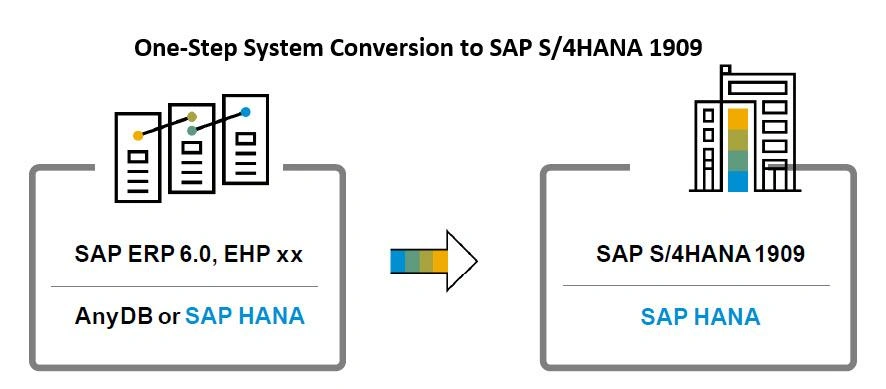
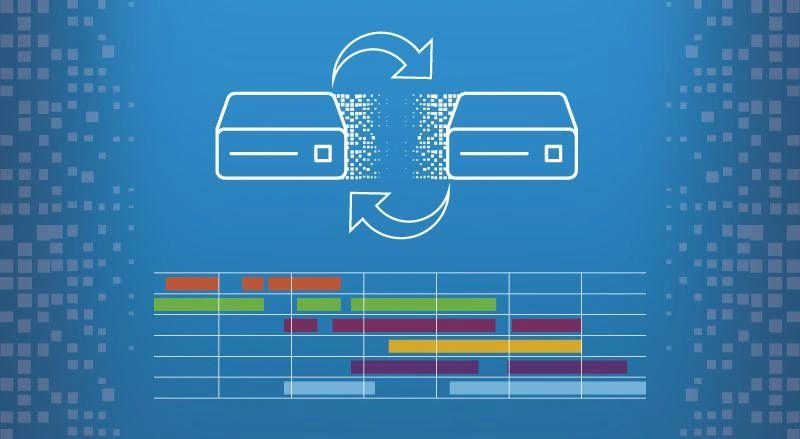
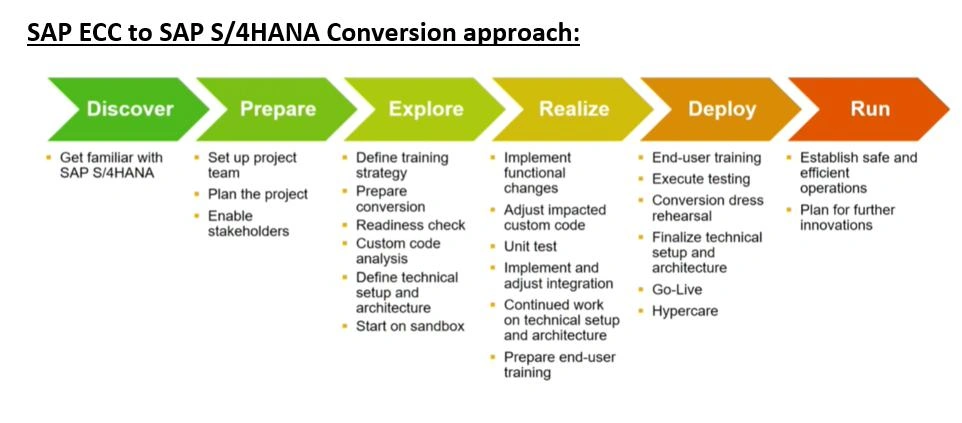
One of the largest migrations in enterprise IT history is currently underway.
Organizations across the world are moving from:
SAP ECC → SAP S/4HANA
For years, SAP ECC served as the operational backbone of global enterprise.
But today, ECC is officially entering legacy status.
SAP is gradually winding down mainstream support, forcing enterprises to modernize their environments before the early 2030s.
This transition is not simply a version upgrade.
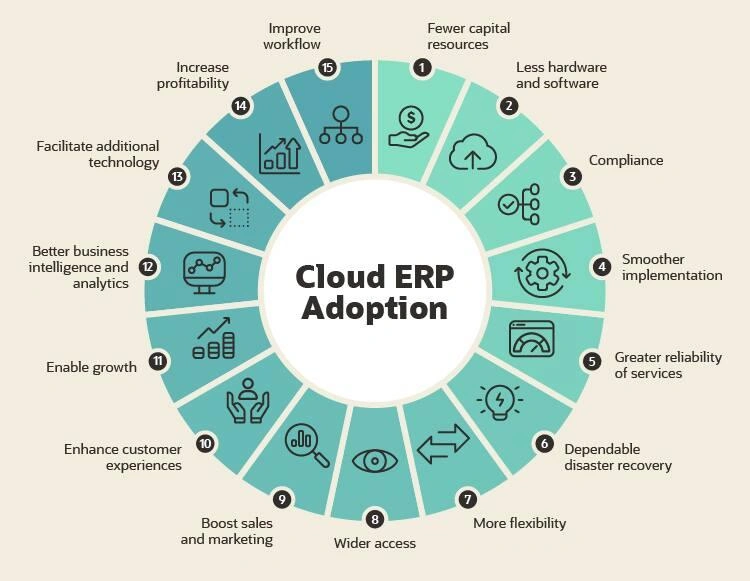
It represents a complete philosophical shift:
- From on-premise to cloud-first
- From custom-heavy to standardized
- From reactive reporting to predictive intelligence
For many CIOs, the migration deadline has become unavoidable.
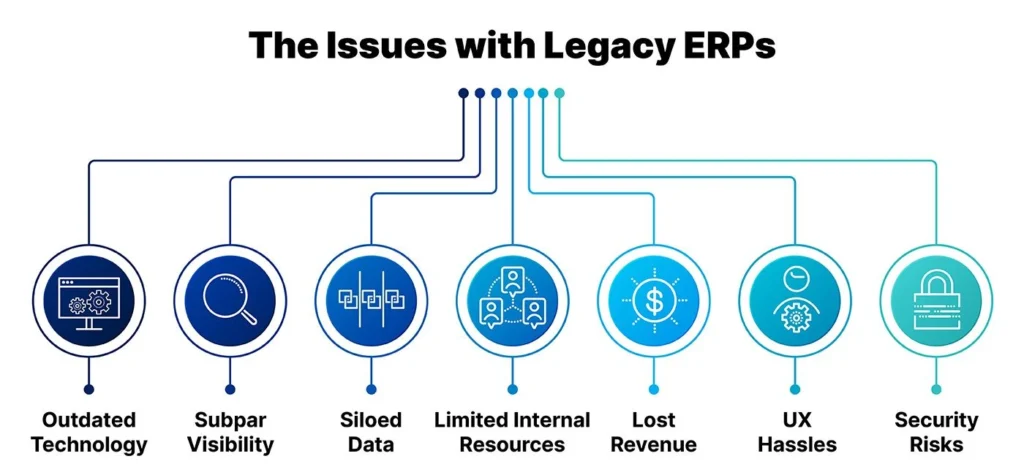
Delay too long, and organizations risk:
- Security vulnerabilities
- Rising maintenance costs
- Reduced vendor support
- Innovation stagnation
SAP HANA: The Shift From Historical Reporting to Predictive Intelligence
Traditional ERP systems were built around batch processing.
Reports were often generated:
- Overnight
- Weekly
- Monthly
By the time executives reviewed the data, the situation had already changed.
In today’s global economy, that delay is dangerous.
Supply chains move in real time.
Markets shift instantly.
Customer behavior changes rapidly.
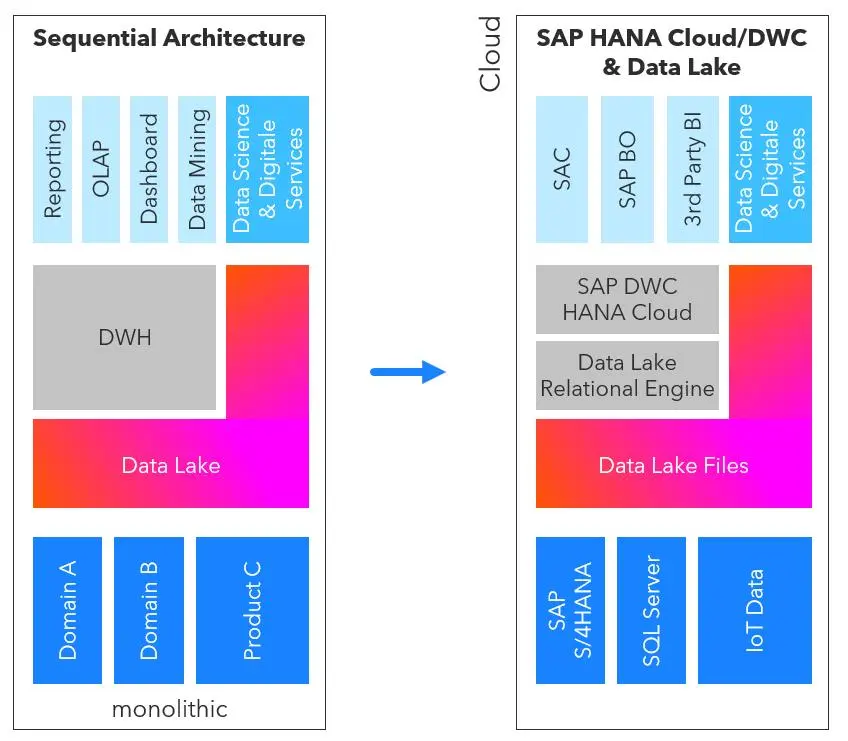
This is why SAP introduced HANA — its in-memory database platform.
Unlike older disk-based systems, HANA processes enormous datasets directly in memory, enabling near real-time analytics.
The difference is transformative.
Instead of asking:
“What happened?”
Businesses can now ask:
“What is likely to happen next?”
Embedded AI and the Emergence of Joule
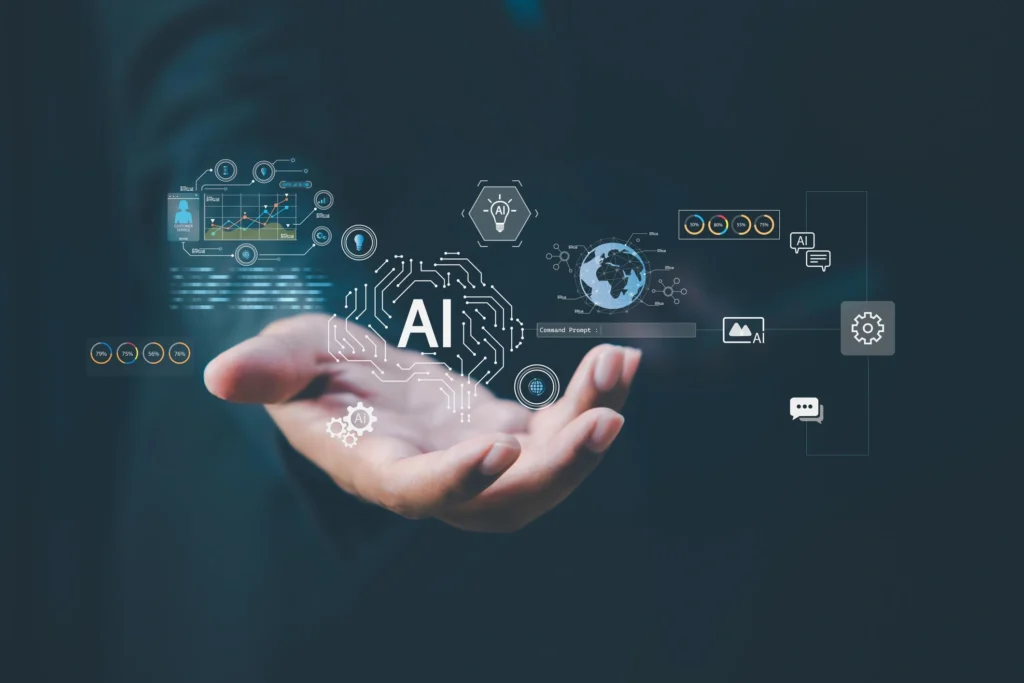
The newest phase of SAP’s evolution centers around artificial intelligence.
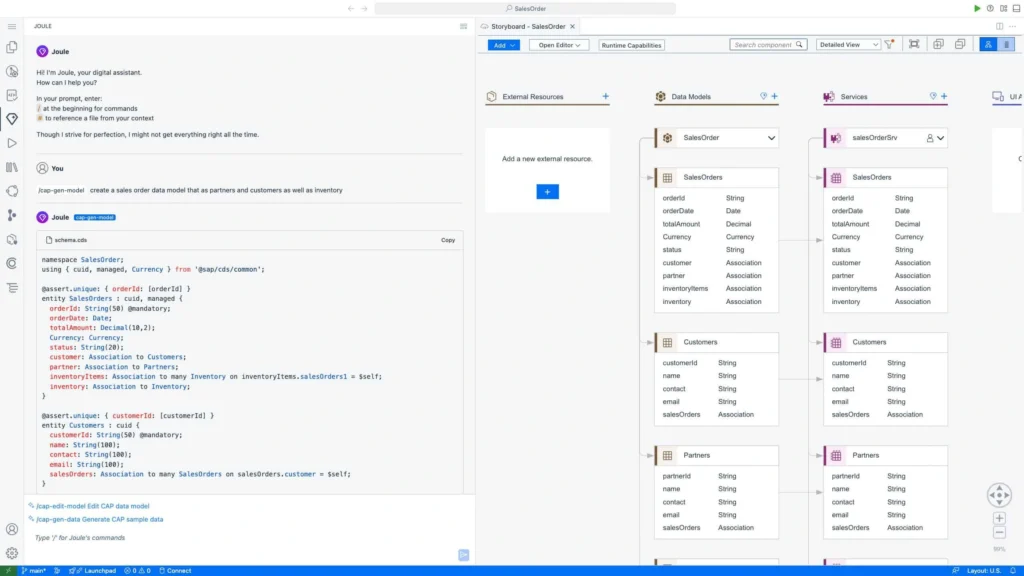
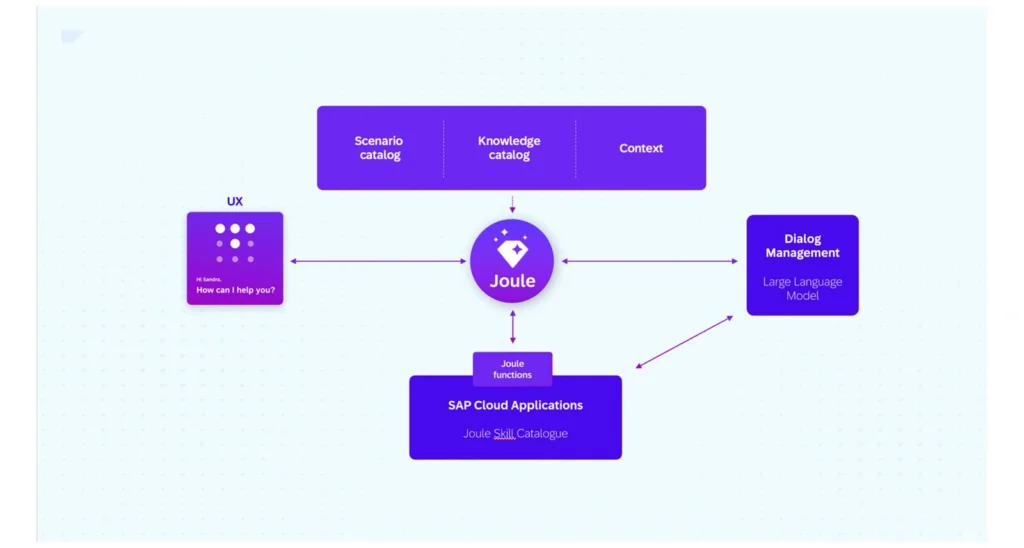
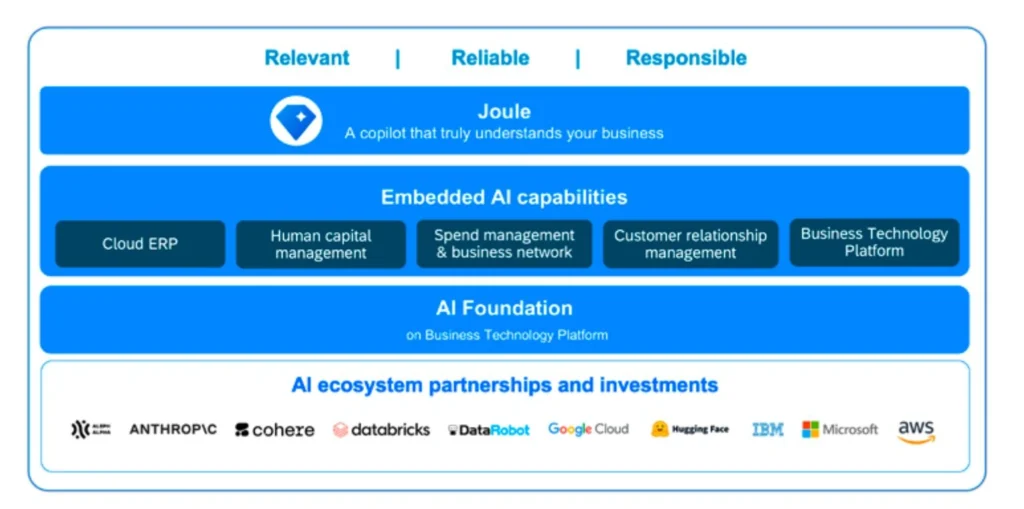
Its AI copilot, Joule, represents a major strategic shift.
Unlike standalone AI tools, Joule is deeply integrated into the SAP ecosystem itself.
This matters because enterprise AI is only useful when connected to operational data.
Joule can help organizations:
- Automate repetitive workflows
- Predict operational bottlenecks
- Generate financial insights
- Assist procurement decisions
- Improve supply chain forecasting
In many ways, SAP is attempting to transform ERP from a passive system of record into an active system of intelligence.
And this may fundamentally change how businesses operate.
The Two-Tier ERP Strategy Is Reshaping Global Operations
Large enterprises no longer want one rigid ERP deployment everywhere.
Instead, many are adopting a:
Two-Tier ERP Strategy
The concept is simple:
- Headquarters uses a highly complex SAP S/4HANA environment
- Regional subsidiaries use lighter, more standardized cloud editions
This creates a balance between:
- Corporate control
- Local flexibility
For global organizations, this model offers significant advantages:
- Faster deployment
- Lower costs
- Regional agility
- Easier scaling
Companies can maintain centralized governance while allowing local business units to adapt quickly to changing markets.
That flexibility has become increasingly valuable in uncertain economic conditions.
Is Full-Scale ERP Still Worth It?
This is now one of the biggest strategic debates in enterprise technology.
Historically, large ERP systems were viewed as mandatory infrastructure.
But the market is changing.
Today, businesses also have access to:
- Specialized SaaS platforms
- Financial automation tools
- AI-native software
- Modular cloud ecosystems
Platforms like:
- Oracle NetSuite
- Ramp
are increasingly competing with traditional ERP approaches by offering:
- Faster deployment
- Lower implementation costs
- Simpler user experiences
- Rapid ROI
This raises an uncomfortable question for enterprise leadership:
Does every business process truly require the gravitational complexity of SAP?
For some enterprises, the answer remains yes.
For others, a lighter and more modular technology stack may provide greater agility.
The Future of the Intelligent Enterprise


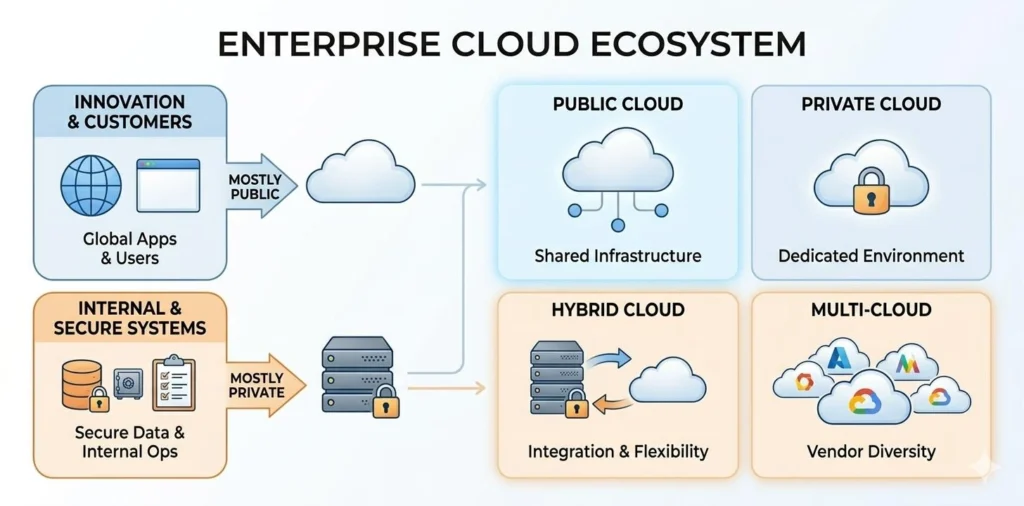
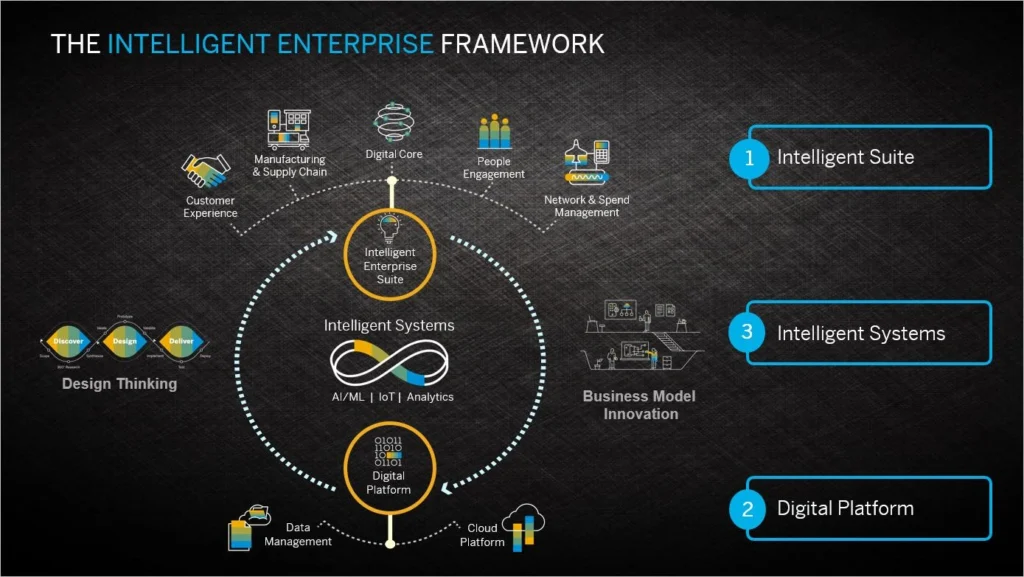
The future of enterprise technology is moving toward:
- Cloud-native systems
- AI-driven automation
- Real-time analytics
- Modular ecosystems
- Predictive operations
SAP is attempting to evolve from a traditional ERP vendor into the foundation of the “Intelligent Enterprise.”
Whether that vision succeeds will depend on one critical factor:
Can enterprise software become more intelligent without becoming overwhelmingly complex?
As we approach the 2031 migration horizon, organizations face a defining strategic decision.
They must determine:
- Which systems belong in the enterprise core
- Which processes can be decentralized
- How AI should influence operational decisions
- What level of complexity truly creates competitive advantage
Because the next generation of enterprise software may not simply automate business operations.
It may redefine what business operations actually are.
Frequently Asked Questions
What is SAP ERP?
SAP ERP is enterprise software designed to integrate core business functions such as finance, HR, supply chain, procurement, and manufacturing into a centralized system.
What is SAP S/4HANA?
SAP S/4HANA is SAP’s next-generation ERP platform built on the HANA in-memory database architecture, enabling real-time analytics and faster processing.
Why are companies migrating from SAP ECC?
SAP ECC is becoming legacy technology as SAP gradually reduces mainstream support. Organizations are migrating to S/4HANA to access cloud capabilities, AI integration, improved performance, and long-term vendor support.
What is a Clean Core strategy?
A Clean Core strategy minimizes custom code inside the ERP system, helping businesses reduce maintenance costs and simplify upgrades.
How is AI changing ERP systems?
AI is transforming ERP from a reporting platform into an intelligent decision-making system capable of automation, prediction, and real-time operational guidance.
Final Thoughts
The SAP ecosystem is entering one of the most significant transitions in its history.
What began in 1972 as an ambitious vision from five former IBM engineers is now evolving into an AI-powered enterprise platform attempting to redefine operational intelligence itself.
For modern enterprises, the challenge is no longer simply implementing ERP.
The real challenge is building an operational architecture flexible enough to survive the next decade of technological disruption.